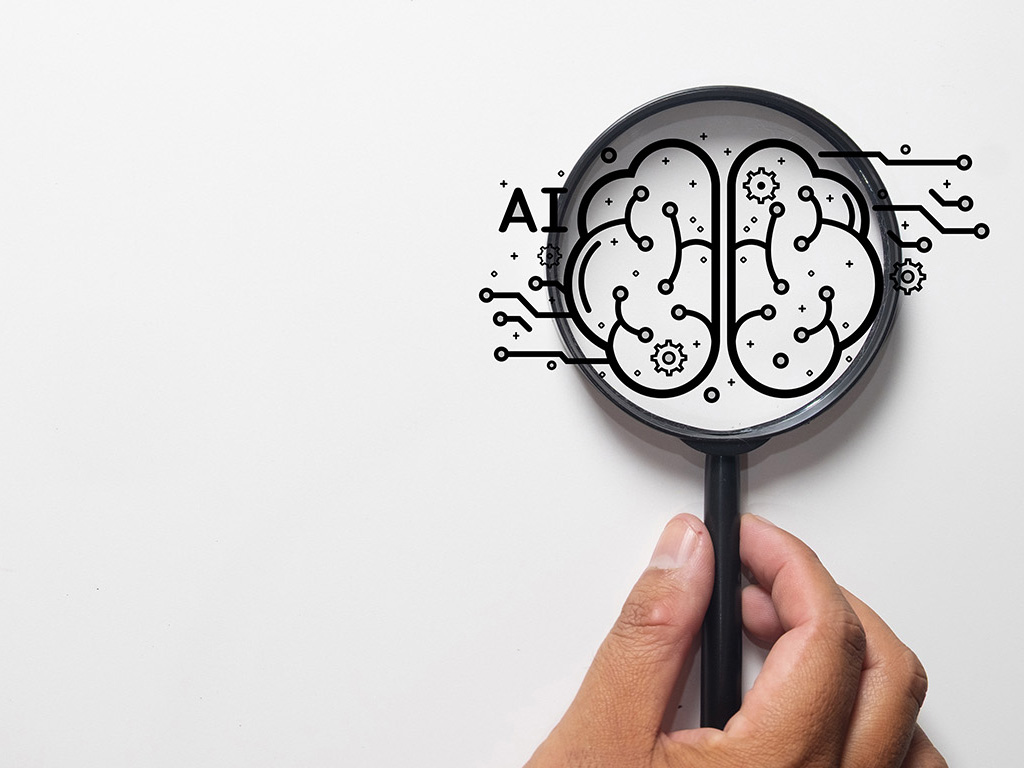
Artificial intelligence is changing the way we create content online. From blog posts and social captions to customer service chats and images, AI-generated content is becoming harder to identify every day (At least most of the time—those animated fruit (?) dramas are pretty identifiable and terrifying). While AI can be a powerful marketing tool, it can also make it harder to determine what’s man-made and what’s the random musings of a bot.
1. It Sounds…a Little Too Perfect
One of the biggest clues is that AI-generated content often sounds a little too polished. The grammar is clean, the sentences are balanced, and the tone stays consistently neutral. However, it can also feel oddly empty. Human writing usually includes personality, emotion, humor, or unique phrasing that feels natural and authentic. That’s not to say throw caution to the wind and infuse your content with spelling mistakes and your amateur 5 minute stand-up routine, but sounding like a human person wrote it can go a long way. Also it’s just good for your brain.
2. Repetition. Repetition Everywhere
AI tools rely heavily on patterns, which means they often repeat phrases, sentence structures, or transitions throughout a piece. Generic wording like “in today’s digital world” or “it’s important to note” can sometimes be a sign that AI assisted in the writing process. The bots learn by interacting with humans, and if there’s one thing we’re good at it’s offering platitudes and generic turns of phrase. If it sounds gimmicky, it might have been digitally conjured.
3. Bad Hands
AI-generated images have improved dramatically, but there are still clues to watch for. Distorted hands, unreadable text, strange shadows, or facial features that look overly smooth can all suggest an image was created artificially. Sometimes the image looks realistic at first glance but feels slightly “off” the longer you look at it. Don’t knock your intuition—if it’s slightly creeped out it really might be an indicator of AI. Human brains were designed to alert when something felt “almost” real—it’s called the “uncanny valley” and it’s whole purpose is to let you know when something is close but not quite right.
4. Get a Life
Perhaps the clearest sign of AI content is the lack of real-world experience behind it. Human creators naturally bring opinions, storytelling, and firsthand knowledge into their work. AI predicts patterns based on existing information, which can make content feel informative but emotionally flat or generic. No matter how hard they try, robots have never had a real life, and that means after a prompt or two, their replies start to ring hollow.
Ultimately, Authenticity Still Matters
AI itself is not a bad thing. Many businesses use AI tools to brainstorm ideas, improve efficiency, and support content creation. The strongest marketing strategies today combine AI-powered tools with human creativity and oversight. It can be a great tool for research, ideas, outlines, even light editing.
And as AI continues to evolve, authenticity will become even more valuable. Consumers still connect with real stories, personality, and genuine insight. The brands that stand out won’t necessarily be the ones using the most AI, they’ll be the ones that know how to use it without losing their human voice.
The next time you read a blog or scroll social media, take a closer look. You might just spot the bot. And to make sure you’re leveraging the power of AI without losing the warmth and humanity inherent in your business narrative, reach out to The Relish Jar today. We have firsthand experience at using AI to enhance your marketing strategies while still letting humanity shine through.
P.S. Justice for the “em” dash. It was ours first, and we will reclaim it.
Spot the Bot
3–4 minutes